WatchGuard Foam — Closed-Cell & Open-Cell Spray Polyurethane
Specialty spray polyurethane foam under the WatchGuard private label. Closed-cell for R-value, air sealing, vapor control and structural stiffening; open-cell for cavity fill and sound; roofing-grade for low-slope decks under an OR-80SLM polyurea membrane. One manufacturer for the foam and the coating that goes over it.
Request Foam Pricing & Data SheetsThree Grades, Three Different Jobs
Closed-Cell — Insulation That Also Does Structural Work
At roughly 2 lb/ft³, closed-cell foam delivers the highest R-value per inch in the line, seals air infiltration, acts as a vapor retarder at code thickness, and measurably stiffens the assembly it is sprayed into. It is the default grade for metal buildings, agricultural structures, and anything exposed to moisture.
Open-Cell — Cavity Fill and Sound
At roughly 0.5 lb/ft³, open-cell fills a cavity completely and economically and is the better product for sound attenuation between conditioned interior spaces. It is vapor permeable, so the assembly has to be designed for it — which is a design decision, not a defect.
Roofing Grade — Foam You Walk On and Coat
Higher density than insulation grade, formulated to take foot traffic and accept a topcoat. Applied to low-slope decks it corrects drainage, adds R-value, and creates a monolithic substrate for a sprayed polyurea membrane — all in one mobilization.
Foam and Coating From One Source
Most foam suppliers stop at the foam and leave you to source a membrane from somebody else. WatchGuard Foam and OR-80SLM Silver Lining Membrane come from the same manufacturer and are formulated to go over each other.
Where WatchGuard Foam Is Sprayed
Insulation and industrial roofing — residential, commercial, and agricultural.
- Metal buildings & pole barns
- Low-slope commercial roofs
- Potato & onion storage
- Cold storage & coolers
- Poultry & livestock barns
- Residential walls & rooflines
- Crawl spaces & rim joists
- Tank & vessel insulation
- Shops, garages & outbuildings
- Condensation control on metal decks
Typical Properties by Grade
Nominal values — confirm against the technical data sheet for your lot and conditions.
The Argument Foam Wins On Is Not R-Value
Every foam salesperson leads with R-value per inch. It is the wrong argument, because a customer comparing R-6 foam to R-3.8 batt insulation can always just add more batt.
What batt cannot do is stop air. Fiberglass is a filter — it slows heat transfer through the material and does nothing about the air moving around it, through the gaps at every stud, plate, penetration, and top-of-wall junction. In a real building that air movement is a large fraction of the actual energy loss, and it is invisible on a spec sheet.
Closed-cell spray foam is an air barrier and an insulator in the same application. It adheres to and seals around every irregularity in the assembly, which is why a foamed building outperforms what its nominal R-value predicts.
And in agricultural and industrial metal buildings the argument is different again: it is condensation. A metal deck over a heated space rains on its own contents every time the temperature swings. Closed-cell foam on the underside removes the cold surface that condensation forms on — there is no dew point to reach because there is no exposed cold steel.
Grade Selection at a Glance
Who Buys WatchGuard Foam
Insulation contractors running a rig who want their own branded product instead of spraying a national brand that markets to their competitors on the same jobsite.
Roofing contractors adding foam-and-coat systems to what they already sell. Once a crew owns a proportioner, roofing foam and polyurea membrane are the same equipment and the same day.
Agricultural and industrial builders who put up metal buildings and are asked about condensation and insulation on every project.
Distributors and equipment dealers who already sell rigs and should be selling the drums that go through them.
Everything on this site is available private-labeled — under WatchGuard, or under your own name.
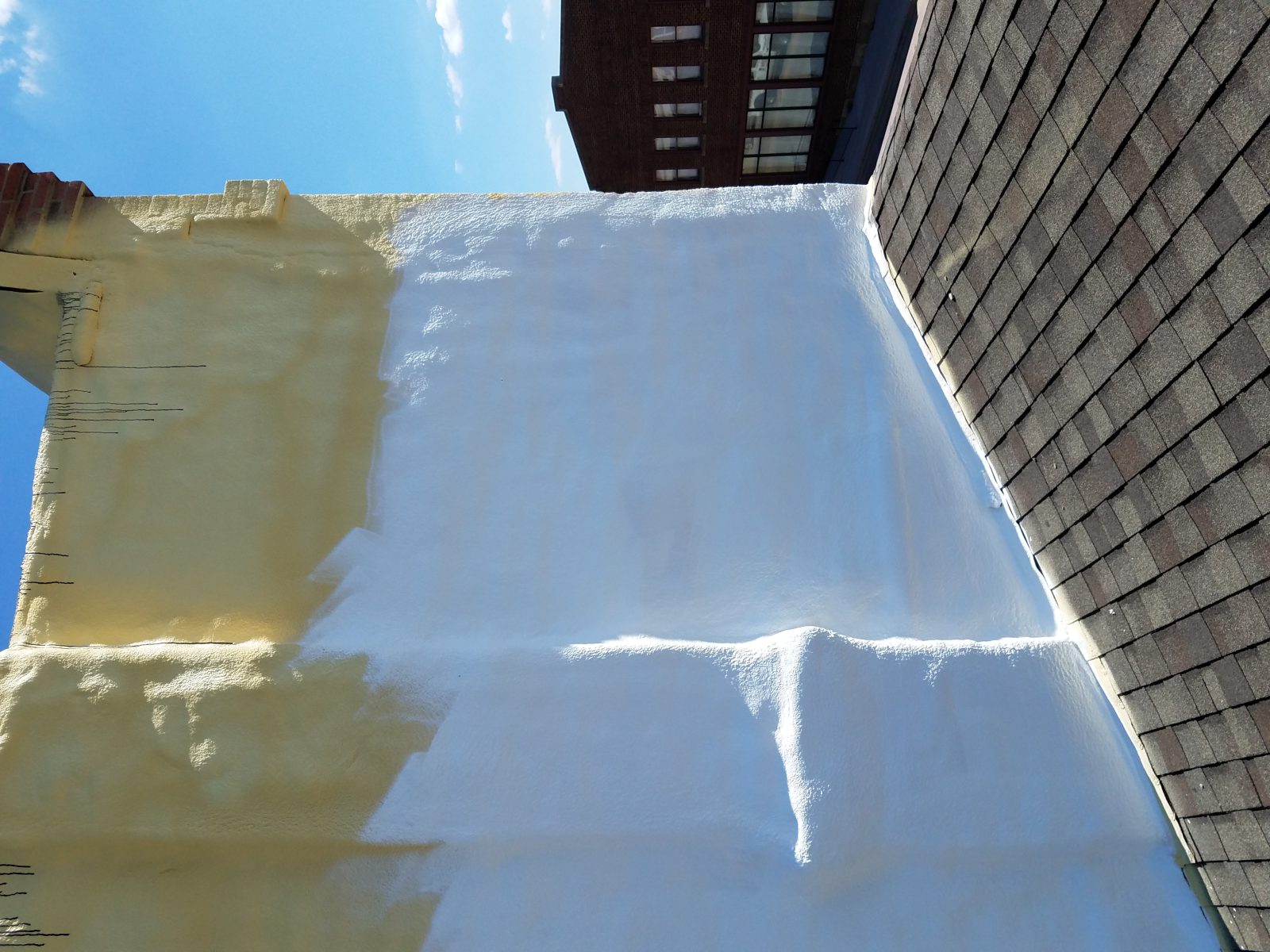
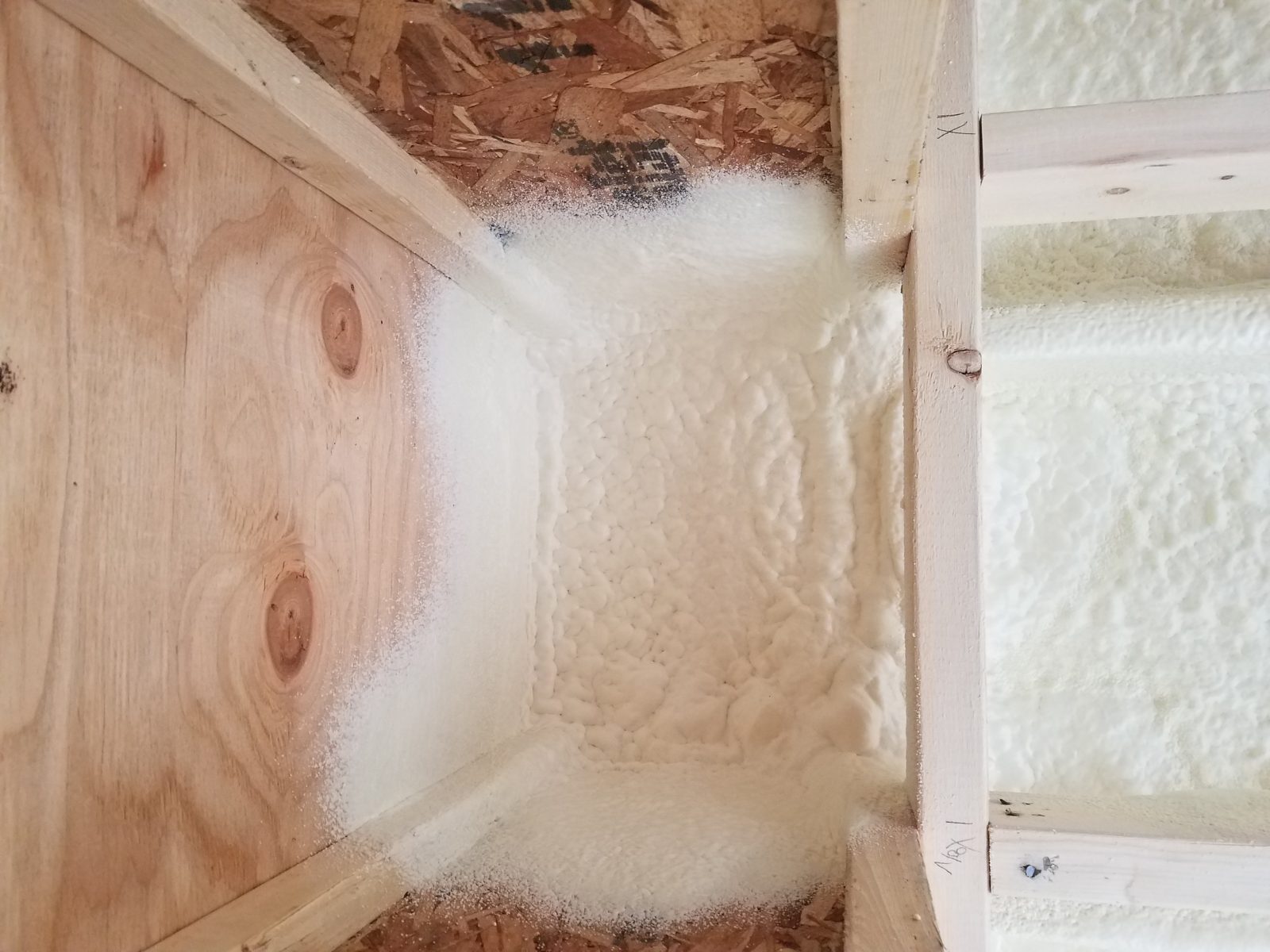
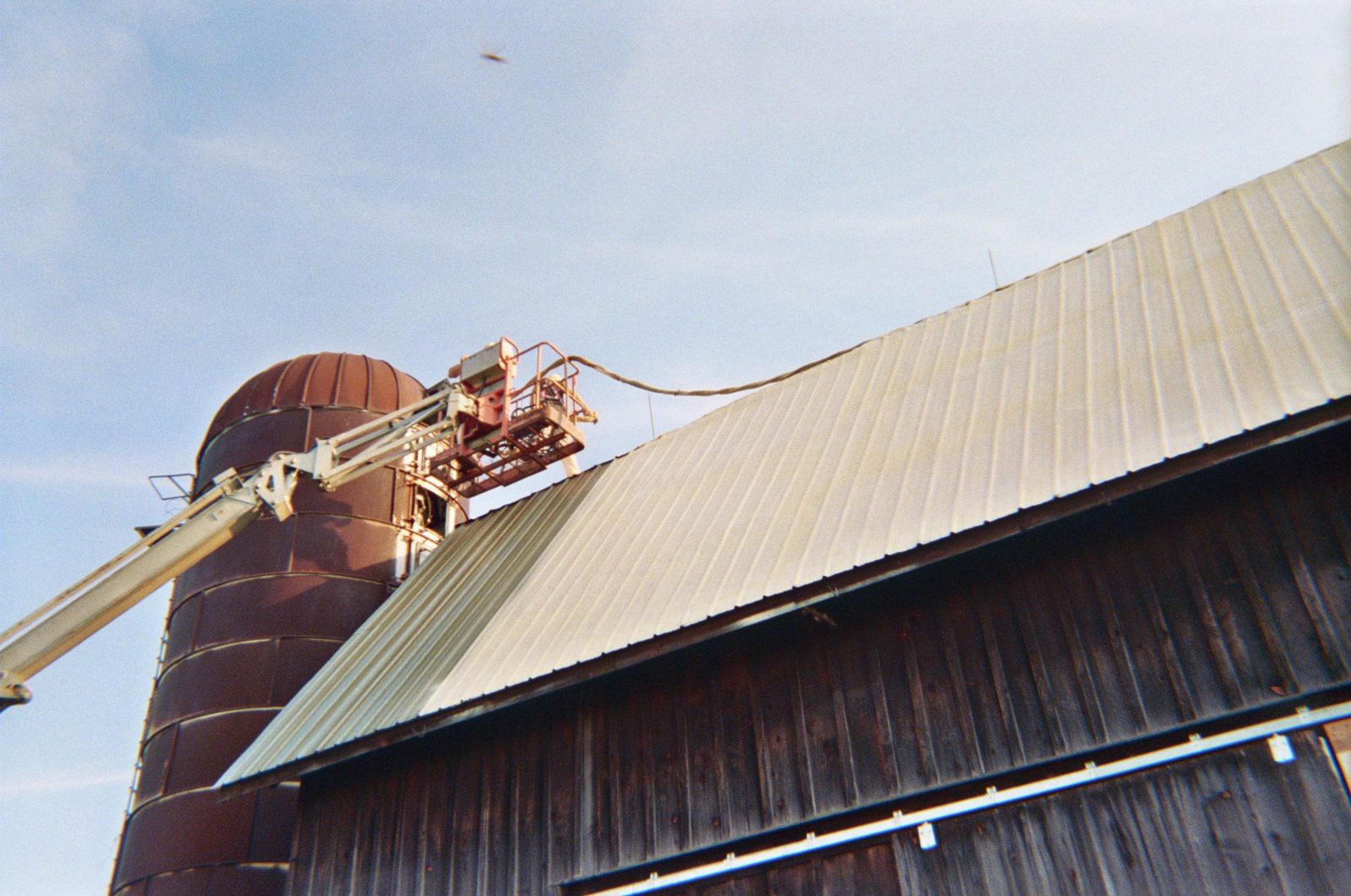
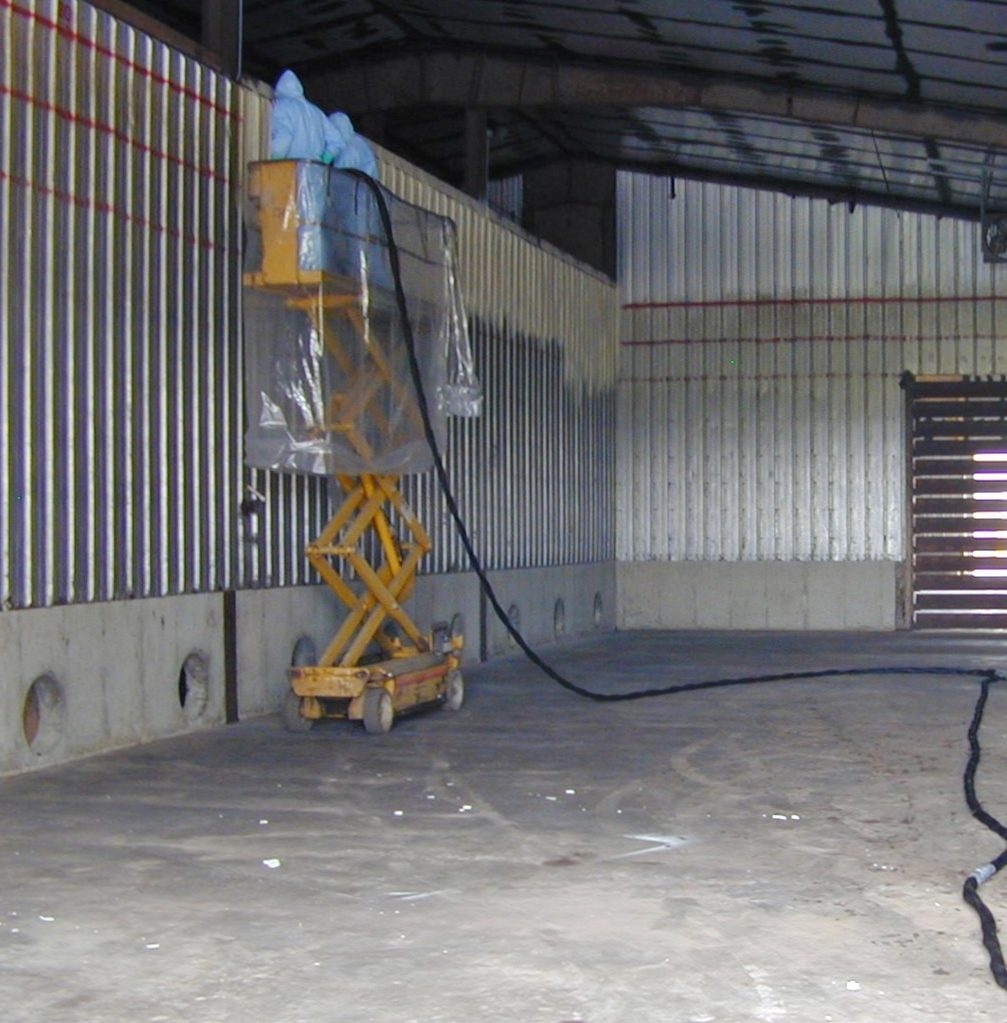
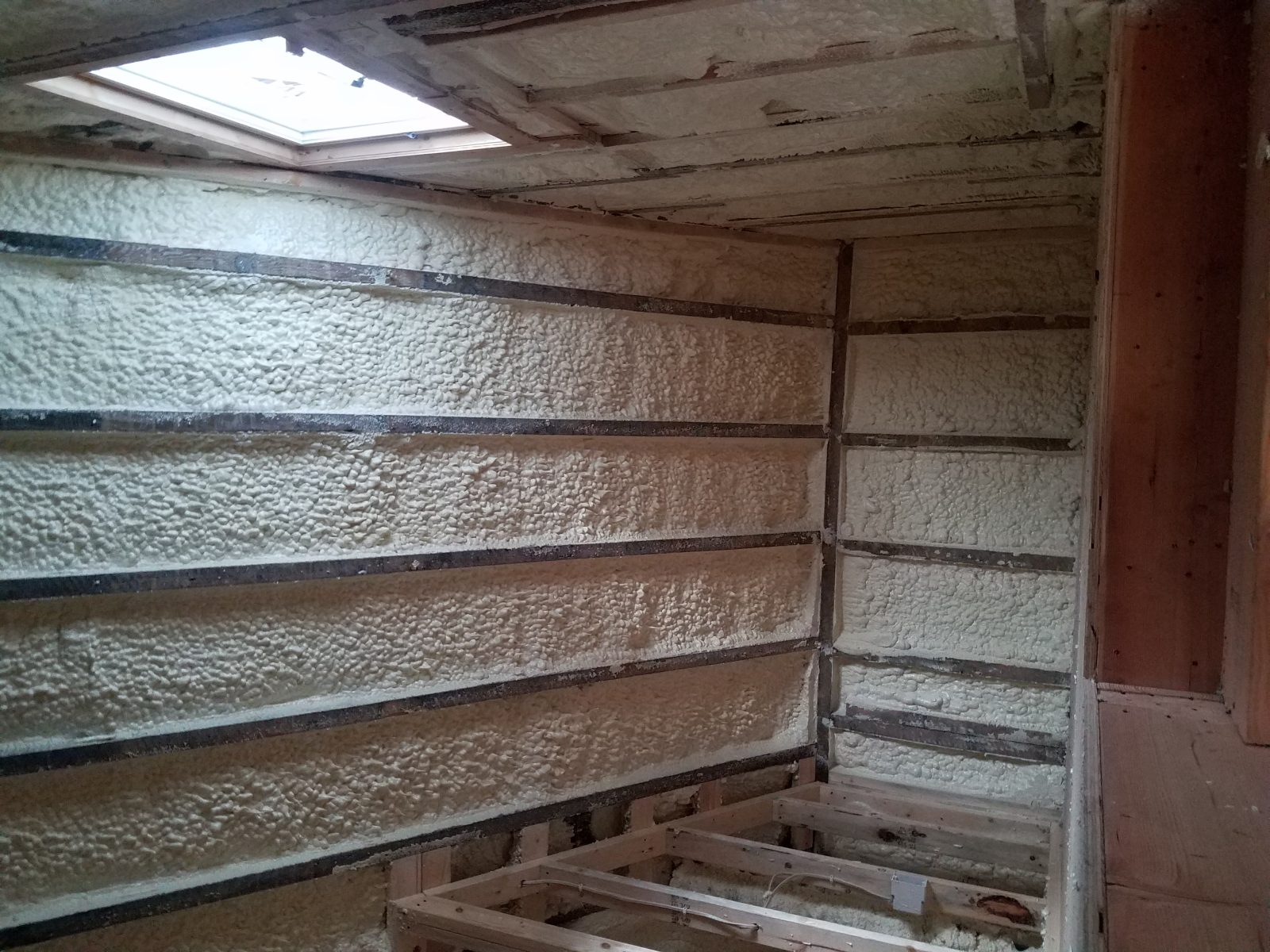
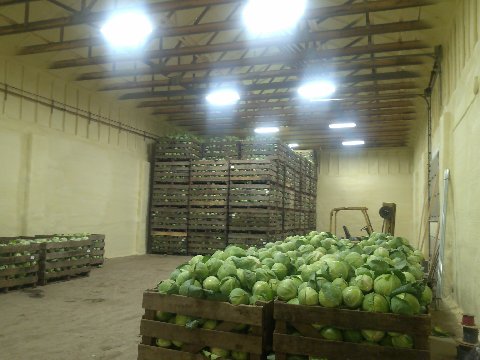
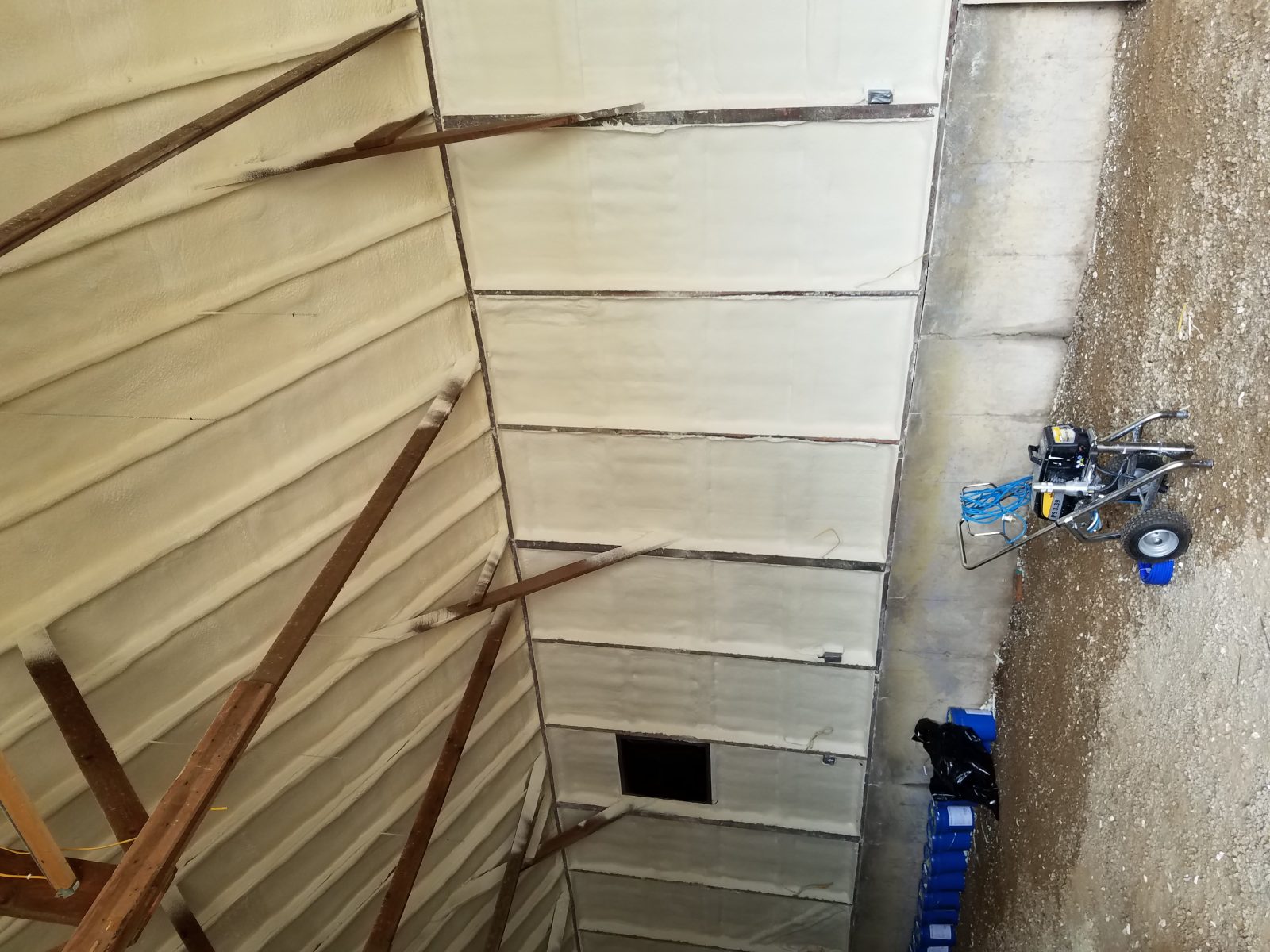
Foam in the Field
Tell Us What You Are Insulating
Building type, assembly, climate, and whether it is being coated on top. We will spec the grade, the thickness, and the material quantity — and send pricing for your volume.
Get Foam PricingRequest Foam Pricing & Data Sheets
Tell us about your project and we will follow up with product details, technical data sheets, and pricing.
Frequently Asked Questions
Frequently Asked Questions
What applicators, builders, and building owners ask about foam.
Choosing a Grade
Closed-cell or open-cell — how do I decide?
If moisture is anywhere in the picture, closed-cell. That covers metal buildings, agricultural and cold storage, crawl spaces, rim joists, and anything below grade or exposed to bulk water. Open-cell is for sound attenuation between conditioned spaces and for economical cavity fill in assemblies specifically designed to dry inward. When in doubt in an ag or industrial building, it is closed-cell.
How thick does it need to be?
It depends on climate zone, the assembly, and what you are trying to achieve. Closed-cell is typically 2–3" in walls and rooflines; potato and cold storage often go thicker; roofing grade runs 1–1.5" nominal with taper for drainage. Tell us the building and the climate zone and we will spec it rather than have you guess.
Is foam really better than batt insulation?
For air sealing, unambiguously — batt does nothing about air movement around it, and in a real building that leakage is a large share of the actual loss. For pure R-value per dollar in a well-sealed, well-built cavity, batt can compete. In metal buildings, agricultural structures, and anywhere condensation is the problem, there is no comparison.
Does closed-cell foam add strength to a building?
Yes, measurably. Closed-cell foam adheres to the sheathing and framing and contributes racking resistance to the assembly. In metal buildings this is a real secondary benefit, though it should be treated as a bonus rather than something you design a structure around.
Code, Safety & Durability
Does spray foam need to be covered?
In most occupied spaces, yes. Foam is a combustible plastic and codes generally require a thermal barrier — typically gypsum board — between it and occupied space, or an approved ignition barrier coating in limited-access areas such as crawl spaces and attics. Requirements vary by jurisdiction and by access, so verify locally before you quote.
Is it safe to spray, and when can the building be reoccupied?
It is safe when handled properly and genuinely hazardous when it is not. Isocyanate exposure during application requires supplied-air respiratory protection, full skin coverage, and controlled site access. Re-occupancy requires ventilation for the period stated on the data sheet. Read the safety data sheet and follow it — this is not an area to improvise in.
Can foam be left exposed outdoors?
No. No foam grade is UV stable — exposed foam will degrade and chalk away from the surface inward. Anything in sunlight has to be coated, which is why roofing foam is always part of a foam-and-coating system rather than a standalone product.
Why do people say foam can scorch or fail?
Almost always because it was applied too thick in one pass or sprayed off-ratio or cold. Closed-cell foam generates exotherm heat as it cures; too much in one lift traps that heat, ruins the cell structure, and in extreme cases chars the interior of the pour. Follow the pass thickness on the data sheet, keep the proportioner in ratio and at temperature, and check substrate temperature rather than air temperature.
Roofing, Equipment & Supply
Can spray foam actually be used as a roof?
As a roof substrate, yes — it is one of the best low-slope systems available because it is fully adhered, seamless, insulating, and can be tapered to correct drainage. But foam alone is not a roof. It must be coated. OR-80SLM Silver Lining Membrane, a Miami-Dade approved pure polyurea, is the membrane we specify over it at 40–60 mil DFT.
What equipment do I need?
A plural-component proportioner with a heated hose — Graco Reactor E-20 or E-30 class or equivalent — transfer pumps, an appropriately configured spray gun, and supplied-air respiratory protection for the crew. Rig sizing depends on the grade and the daily output you need; talk to us before you buy, because undersizing a machine is the most common and most expensive startup mistake.
Do you private label the foam?
Yes. Every grade is available as WatchGuard or under your own brand, with technical data sheets and safety data sheets included. Applicators, distributors, and equipment dealers all do this. Foam is a consumable — if you are putting rigs in the field, the drums that go through them should have your name on them.
Do you sell to building owners, or only to applicators?
Primarily to applicators, distributors, and builders, because this is not a product an untrained buyer should be spraying. If you own a building and need it foamed, contact us anyway — we can usually point you toward an applicator in your area and help you understand what a good spec looks like before you take bids.
Question About a Specific Assembly?
Building type, climate zone, and what it is used for. You will get an answer from someone who has sprayed foam, not read about it.
Ask a Question